36 How To Read A Wine Label
A wine may be labeled by a grape or variety name such as Chardonnay or Cabernet Sauvignon, or it may be given a generic name such as Red Wine. Wines using variety names must derive at least 75% of their volume from the grape designated, and the variety name must appear on the label with an appellation of origin (i.e., specific location where. A label can essentially tell you two things, 1) where the wine comes from, and 2) who made it. Learn your Burgundy geography and you are on your way to understanding the first. As for the second, that's more difficult. There are lots of producers, good and bad. And as Elden Selections has been telling you for nearly two decades, the only way.
Once upon a time, wine labels were boring, colorless (literally and in spirit), and the opposite of inviting. Now, many wine labels are fun. They catch your eye, draw you in for a closer look, and maybe make you smile. Although we tend to have classic tastes in wine, we love the variety of wine […]

How to read a wine label
Being able to recognize wine producers on the wine label will mean that you're more likely to enjoy the contents. When you see the phrase varietal content on a wine label, know that this is the variety of wine, or type of grape the wine was made with. 3 - How to Read A Burgundy Wine Label There is a classification system that identifies where (either in general terms, or very specifically) the grapes have come from. The wines of the Côte D'or are divided into 4 groups or levels (ostensibly correlated to complexity and pricing). How to Read a Wine Label. The first thing to determine is if the wine is from the Old World (Europe, the Mediterranean, parts of Western Asia) or New World (any other wine-producing region). While.
How to read a wine label. 3 - How to Read A Burgundy Wine Label There is a classification system that identifies where (either in general terms, or very specifically) the grapes have come from. The wines of the Côte D'or are divided into 4 groups or levels (ostensibly correlated to complexity and pricing). How to Read Wine Labels of Particular Countries: A Few More Tips While it can be hard to generalize, particularly because the labels and conventions of different regions within a country can be very different, here are some general tips to help guide you in the right direction in learning how to read wine labels. Learn to understand Italian wine labels enough to get what you want. Here is a great set of tips and advice to keep handy so you can find and enjoy more Italian wine. How to Read Italian Wine Labels. Parts of an Italian Wine Label. Italian wine labels are widely varied in how they look. A wine label has a lot of information on it — keep reading to better understand what all of it means. Trying to decipher the information on a wine label can be daunting. There are a whole bunch of numbers, as well as hard-to-pronounce words that may or may not be grapes.
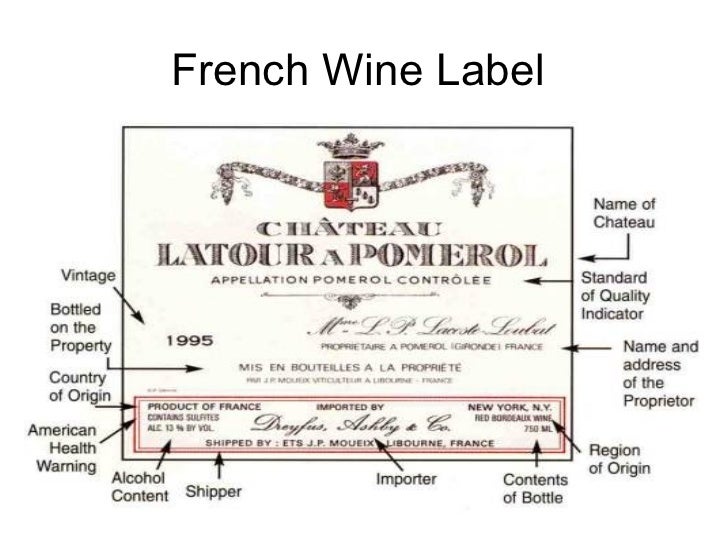
In a nutshell, the former indicates a New World wine and the latter indicates an Old World wine. Let's first break down the difference between the terms Old World and New World so we can better understand the labels. How to Read an Old World Wine Label. Old World wines are any wines made in Europe. So we've put together this useful guide to help you read a French wine label like a pro. 1. REGIONS INSTEAD OF GRAPE VARIETIES. While in the States we're very comfortable picking out a big bold Cabernet Sauvignon or an oaky Chardonnay, over in France producers usually label their wines based on the region instead of the grape varieties that. How to Read a Wine Label, in 12 Easy Lessons The wine shop can be intimidating, with so many different styles of labeling. Here's help in decoding a dozen basic types. 3 Useful Tips on Reading Wine Labels. Some Wines are Labeled by Grape Variety. When you see a wine labeled with “grape” words like Cabernet Sauvignon or Albariño, then it’s labeled by grape variety. There are hundreds (actually, thousands) of different wine varieties and it’s possible to label a wine with more than one grape.
How to Read Wine Labels. Part of the series: House Pours. Sommelier Joe Campanale looks at wine bottle labeling and shares some of his tips on understanding. The Prisoner Napa Valley Red Wine 2018. This is pure brand, and one of the most popular wines in its class. The label is dominated by the unsettling image of a hooded, shackled prisoner, along with the printed name. A few sparse facts have been consigned to the back label. Even there, the constituent grapes are not listed. So, the label could read, "Bourgogne Hautes Côtes de Nuits," or Mâcon Pierreclos. This "Region+" naming tells you that the wine wasn't grown just anywhere in the region, but in that specific named geographical area. And that can be very interesting information, because those little terroirs may make quite different wines from the. 1. The Name or Maker of the Wine. Perhaps the most crucial piece of information to decipher on a bottle of wine is its producer. Often, the name takes up a sizeable portion of the label or uses the most noticeable font. Foreign producers of wine may place the name of the wine in smaller writing at the top. The name of the wine informs you who.

How To Read A Wine Label Properly Marketview Liquor Blog
Being able to recognize wine producers on the wine label will mean that you're more likely to enjoy the contents. When you see the phrase varietal content on a wine label, know that this is the variety of wine, or type of grape the wine was made with.

How To Read A Wine Label With Pictures Wikihow
Here's a quick guide on how to read wine label properly, whether it is an old-world or a new world wine label Cold Beer Delivery in 60 minutes (10AM - 9PM) or Scheduled Delivery Free shipping for all orders Set location.

How To Read A Wine Label In 12 Easy Lessons The New York Times
French, Italian, and German labels can be cryptic. Wine expert Rebecca Chapa shows you how to identify the producer, region, and varietal.Still haven't subsc...
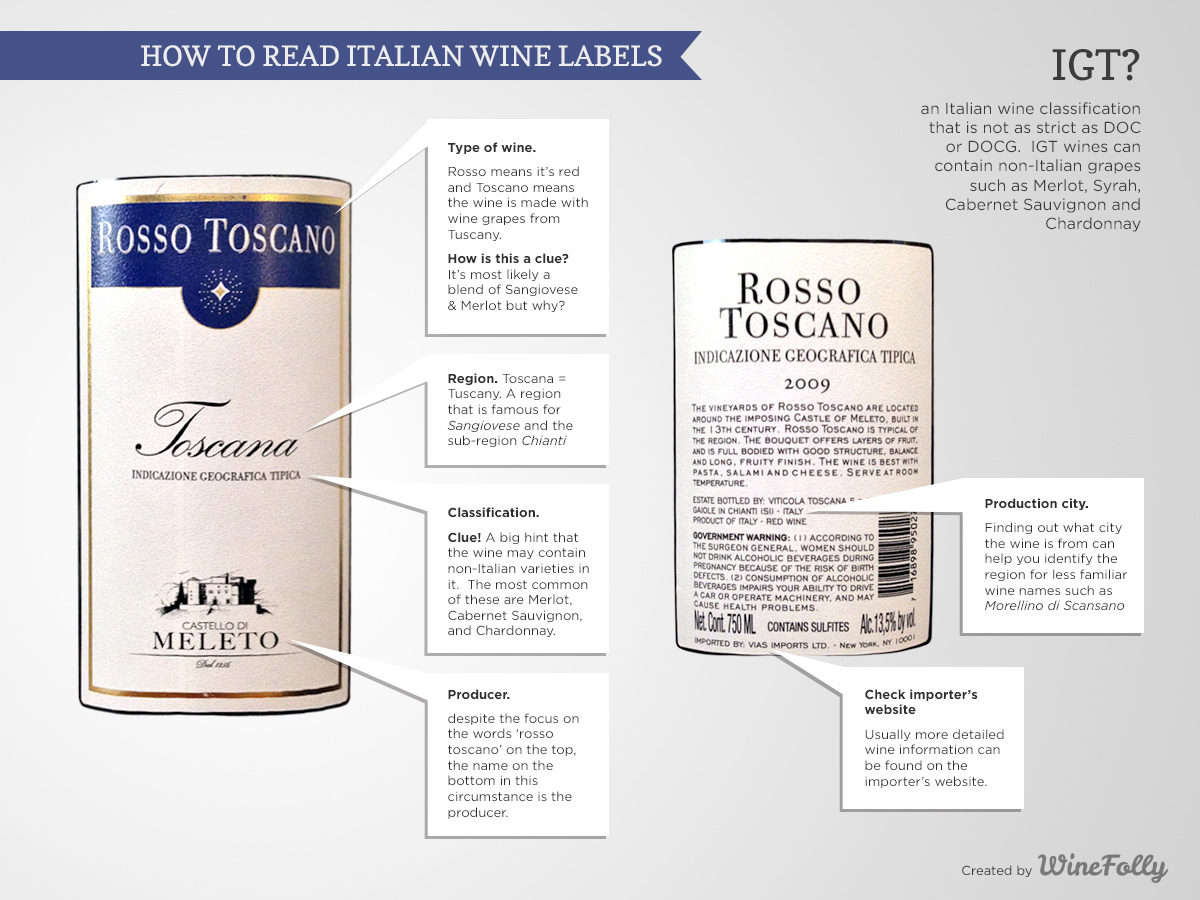
How To Read Italian Wine Labels Wine Folly
In Europe, most wine regions state that their highest quality wines must be at least 13.5% ABV. Organic. This is a term that will appear on a label to show that the grapes used in this wine were grown without the use of synthetic chemicals. Check out our Quick Guide to Organic Wine to find out more. Unfined/Unfiltered.
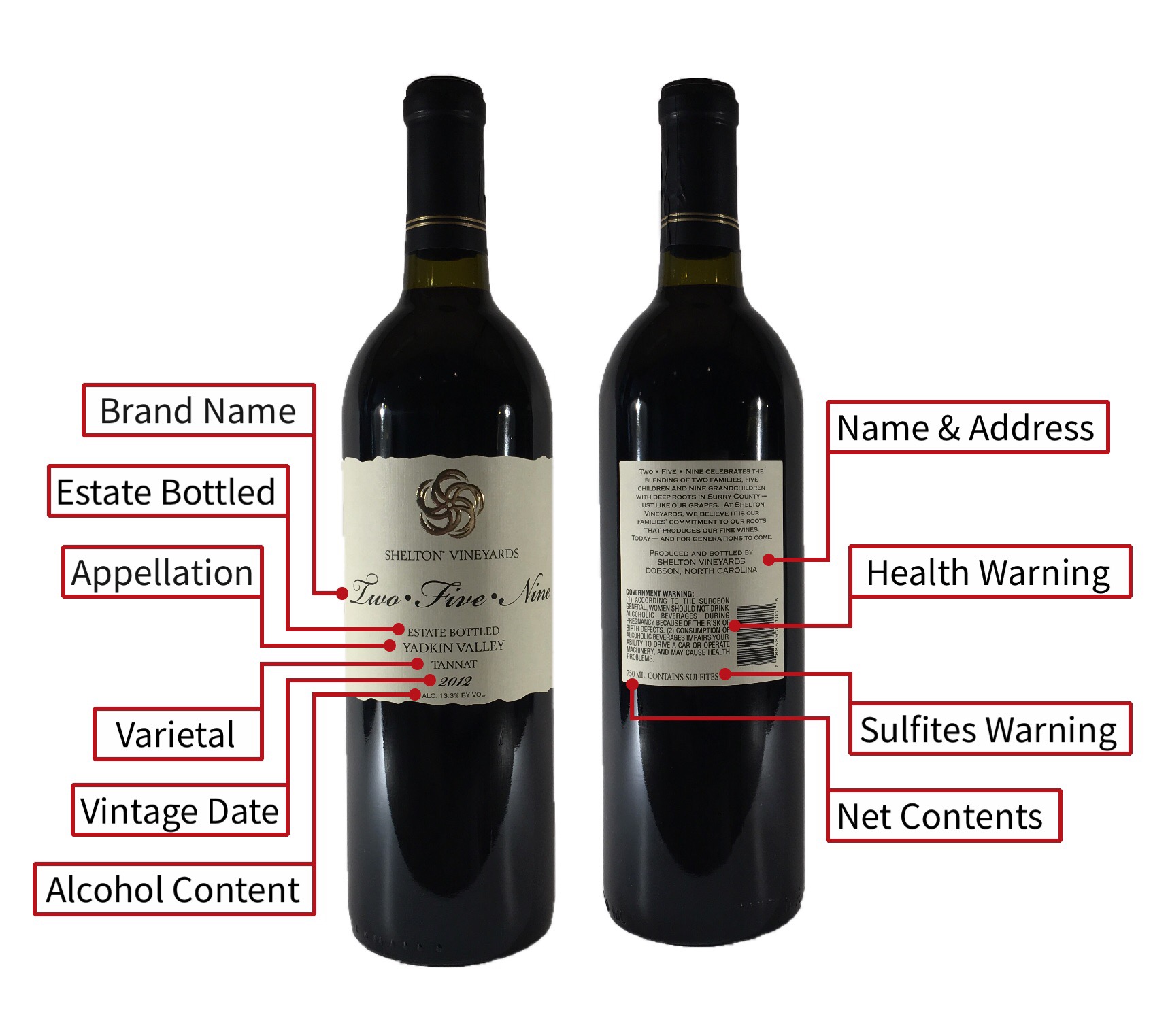
How To Read A Wine Bottle Label Nc Wine Guys
How to Read a Wine Bottle Label. Now that we know the elements of a wine label let’s look at a couple of examples from different countries. How to Read a German Wine Label. Our first example label comes from Germany. Its most prominent element is the name of the winery: “Dönnhoff”. You can also find the winery’s logo and its address.
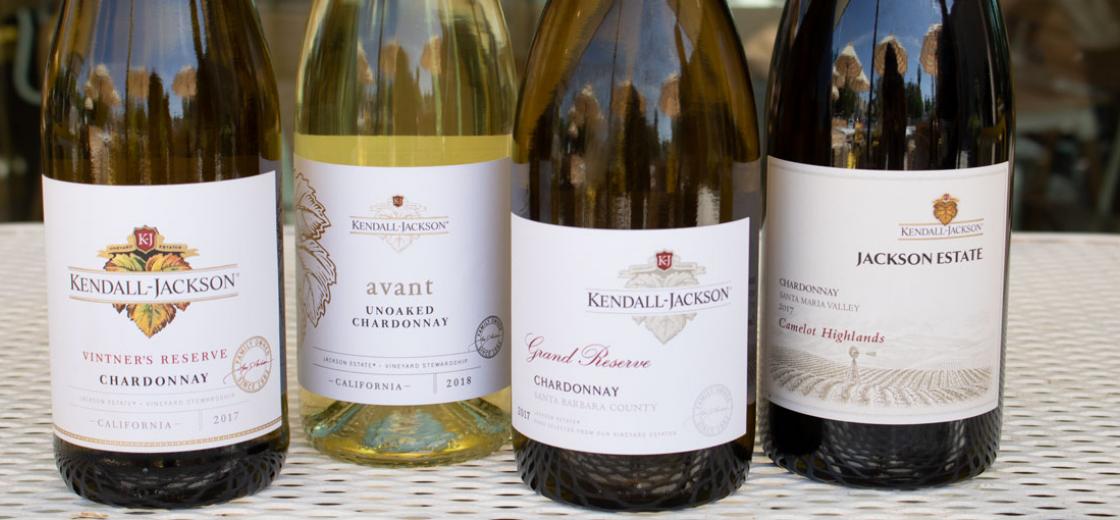
How To Read A Wine Label
When reading a label for a Rioja wine, look for the style (level), the U.S. importer, and the winemaker or shipper (bodega). The grape varieties are not found on the wine labels, and there's no.

How To Read A Wine Label Glass Half Full Wine Blog Bright
7 things to read on your wine label. In this blog, we'll be teaching you the seven components of a wine label that you should be looking out for. 1. Country and region. Most wine labels will showcase the produce's country of origin, either at the top or the bottom of the label. If this country isn't obvious, it may in fact be because the.

How To Read Any Wine Label Like A Pro Purewow
Ever wanted some tips on how to read a wine label? This video will provide you with a useful guide on how best to read wine labels. Looking specifically at t...

How To Read A Wine Label Part Two Jillian Beard
How to Read a Wine Label. The first thing to determine is if the wine is from the Old World (Europe, the Mediterranean, parts of Western Asia) or New World (any other wine-producing region). While.

Wine Labeling Information To Include On The Bottle Blue
Reading a wine label from the U.S. is a lot easier than reading wine labels from other countries. Wine labels are very useful in explaining information on location, wineries, varietals, vintages and many other useful terms that can help any consumer in choosing a wine that is good for them.
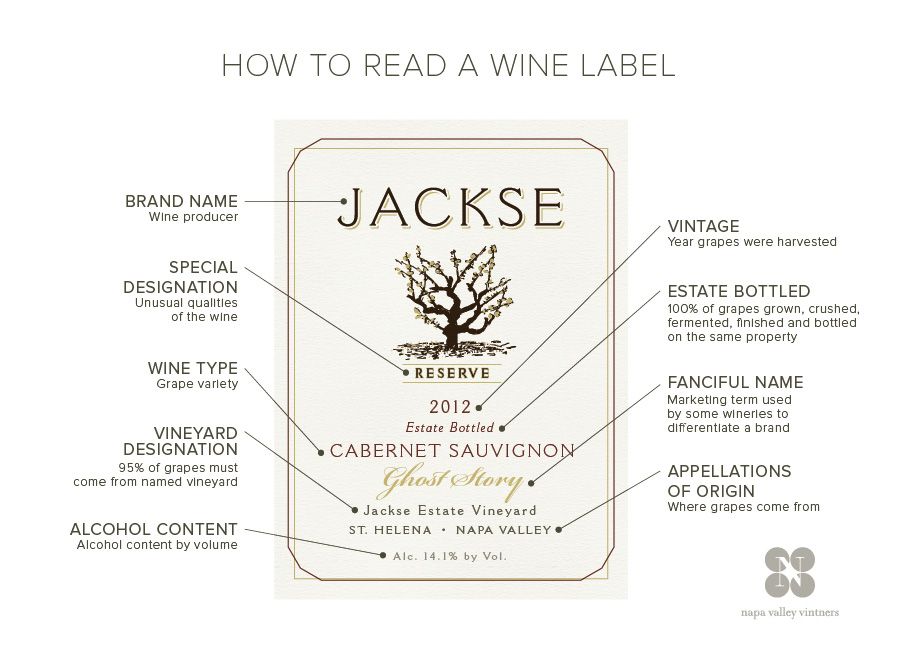
How To Read A Wine Label 101 Winepros
How to understand a wine label like a sommelier. This is our short guide to understanding the most important points of a wine label. Wine can be confusing at the best of times, and the wine label is the gateway to understanding it better. Read on to learn about how to best understand the wine label in front of you!

How To Understand A Wine Label Wine Enthusiast
When you're reading a wine label, look for the name of the country the wine comes from. If it's from Europe, it will also show which region it comes from, like Champagne. If it's from somewhere else, it will show the type of grape used to make the wine, like Merlot.
How To Read A Wine Label 101 Winepros
Now you know how to read a wine label. The next step is familiarizing yourself with different varietals and appellations. The more wine you drink, the more you'll get a feel for which wines strike your fancy and which ones aren't really your style. Make the wine discovery process easier with Bright Cellars. Take the quiz now! Comments. comments
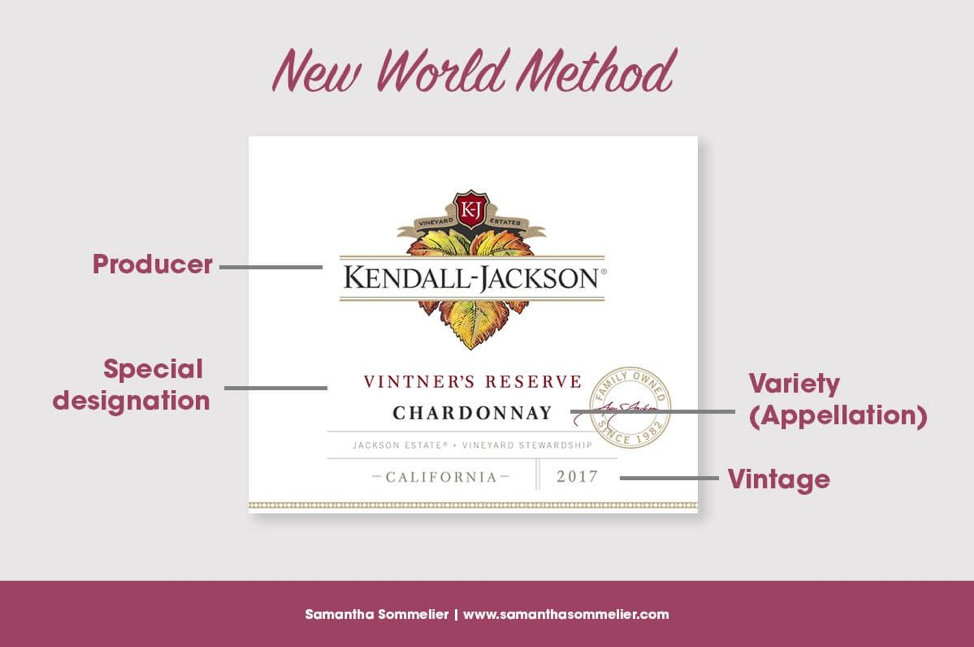
How To Read A Wine Label
How to Read a German Wine Label Producer (Winery) Vintage Varietal Sugar Level Region/Appellation Alcohol Level Contents Of Bottle Country Of Origin Address Where the Wine Was Bottled. CHARDONNAY LIVERMORE VALLEY. SAN FRANCISCO BAY 2010. SACJRANTINO MONTEFALCO Denominazione di Origine Controllata e Gat-antita

How To Read A French Wine Label Visual Ly
Watch more Wine Drinking & Education videos: http://www.howcast /videos/164487-How-to-Read-a-Wine-LabelAll that information on a wine label is there for a...

How To Read A Wine Label For Beginners Legacy In A Glass
Reading a French Wine Label by Appellation. I usually buy Bordeaux from appellations in the Right Bank, rather than the Left, because I adore the soft flavors of Right Bank wines. But as an experiment a few years ago, I decided to only buy Bordeaux from the year 2009 without considering appellation at all; I ended up with nearly a dozen.
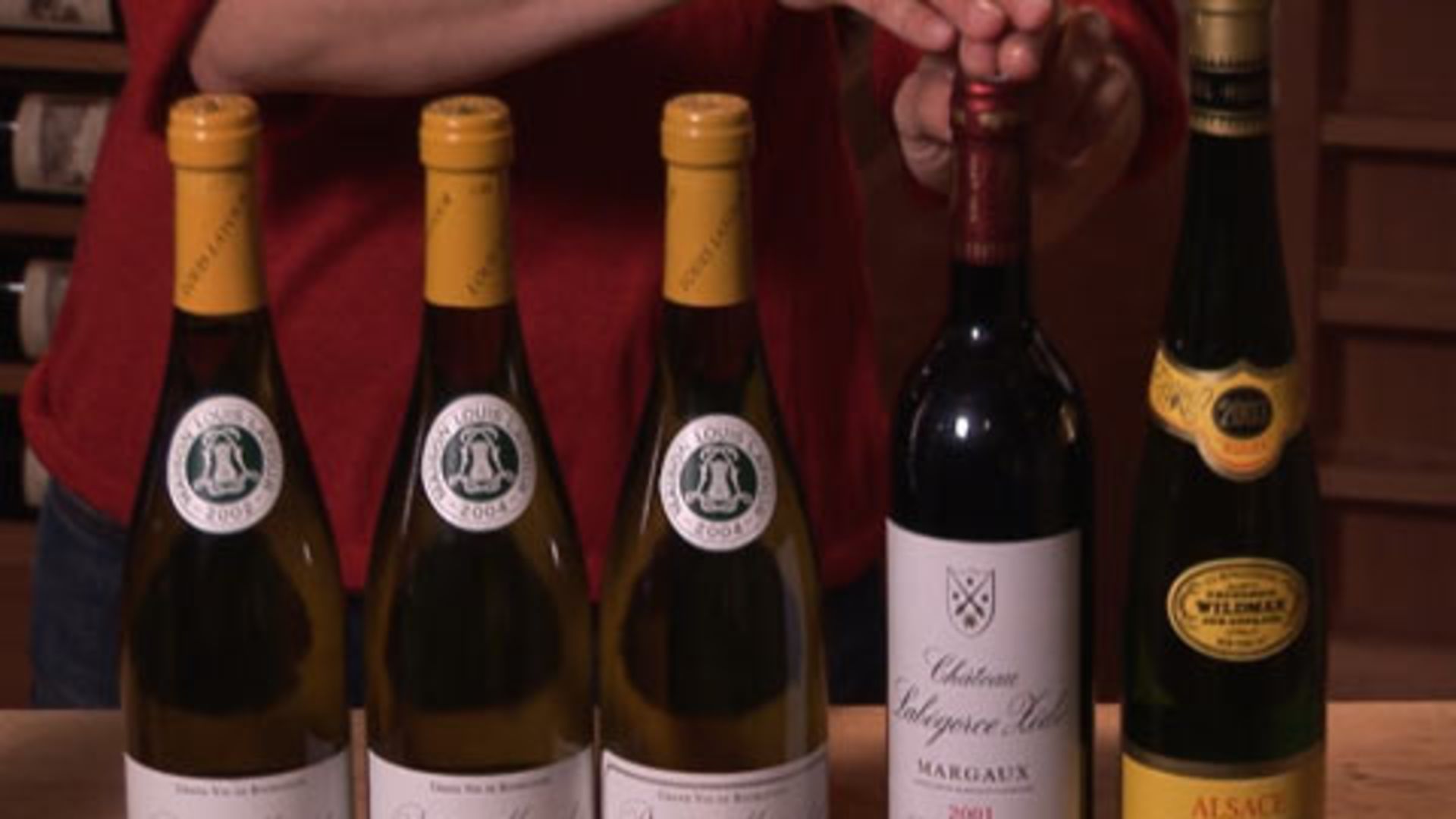
Watch How To Read A Wine Label Wine 101 Epicurious
5 Basic Parts To A Wine Label. Producer or Name The producer name is either obvious or in small text at the top or the bottom of the label (such as many French wine label examples). This is who made the wine. It's important to note that some American wine labels that only have a Wine Name (such as Apothic Red) are branded wines from larger.
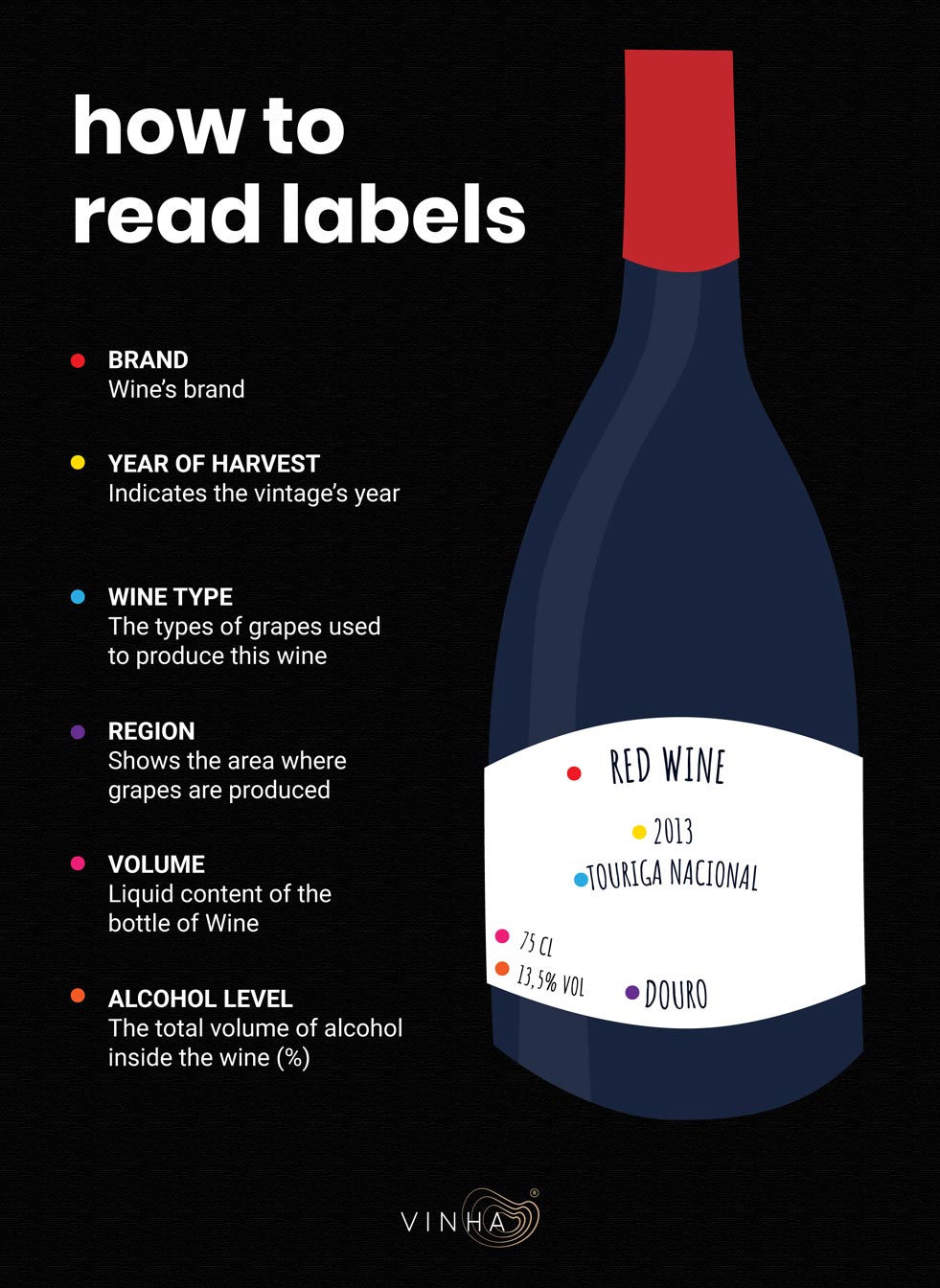
How To Read A Wine Label Vinha How To Read A Wine Label

How To Read A Wine Label Beyond The Corkscrew

How To Read A French Wine Label French Wine Labels French
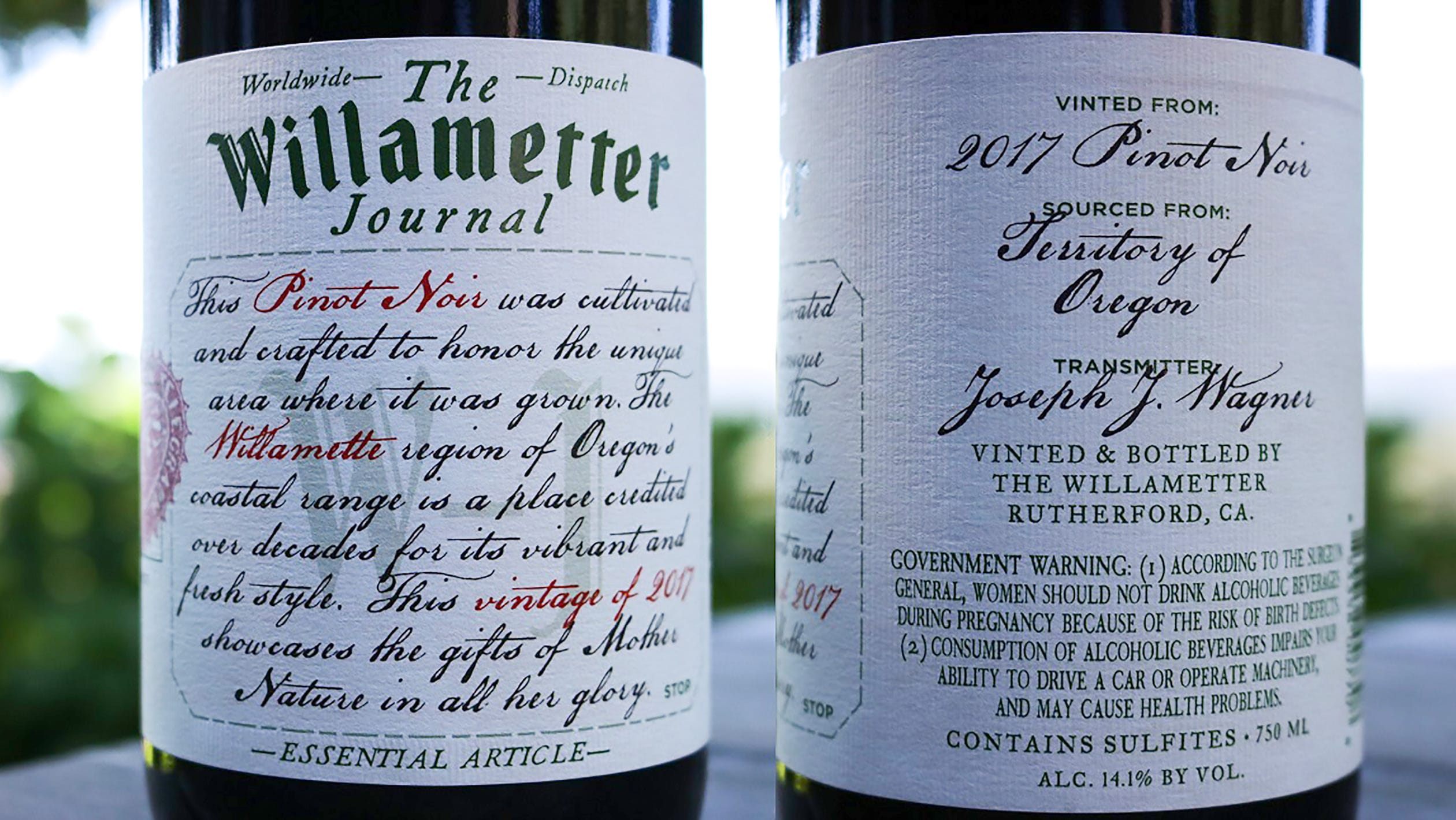
How To Read A Wine Label 101 Winepros

How To Read Any Wine Label Like A Pro Purewow
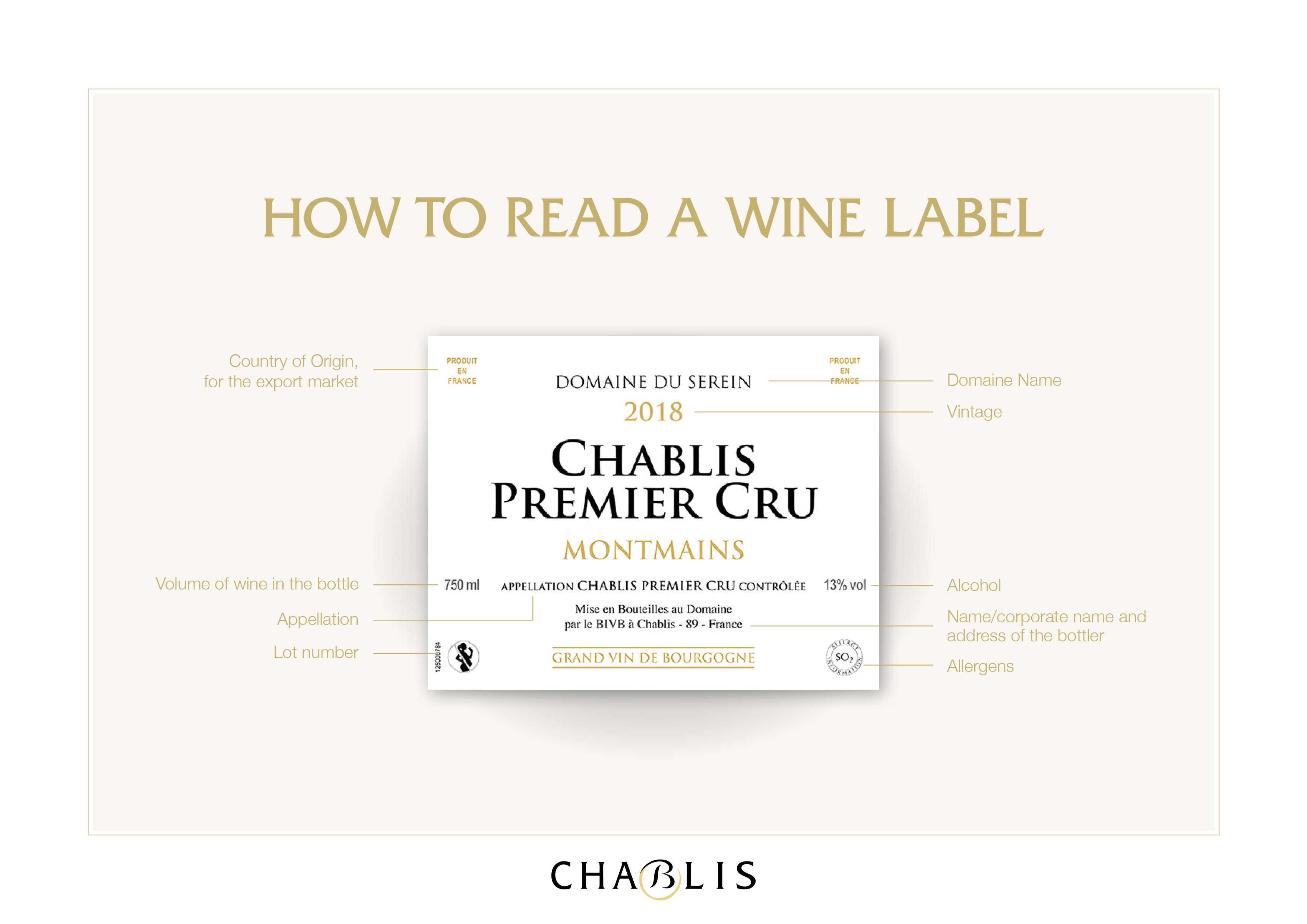
How To Read A Label The Wines Of Chablis
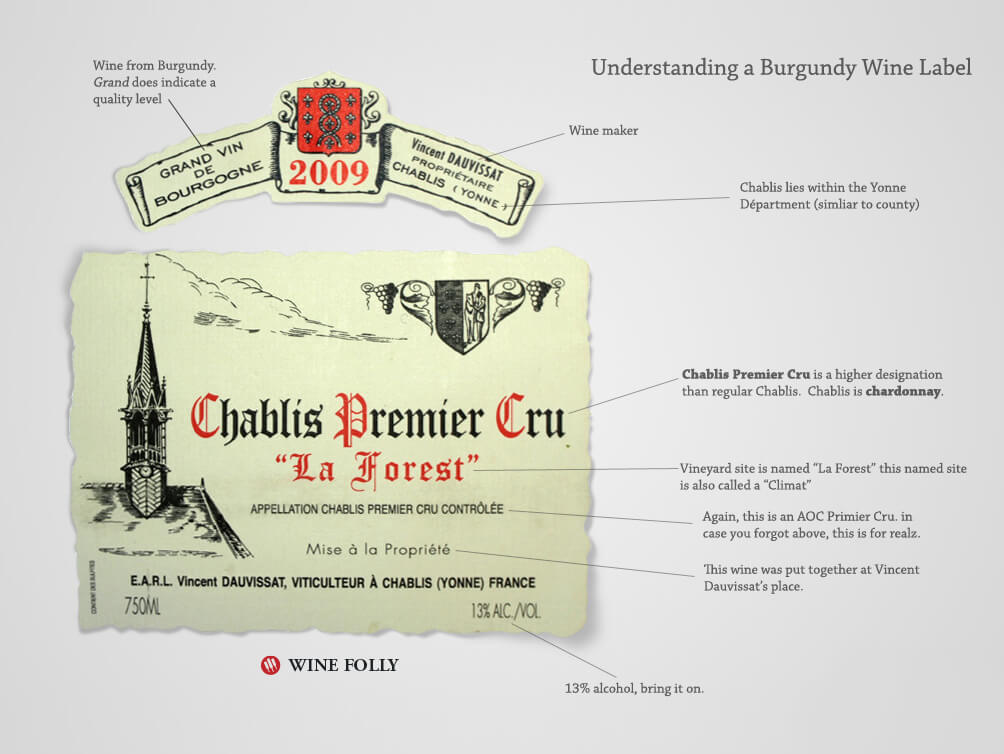
How To Read A Wine Label Wine Folly
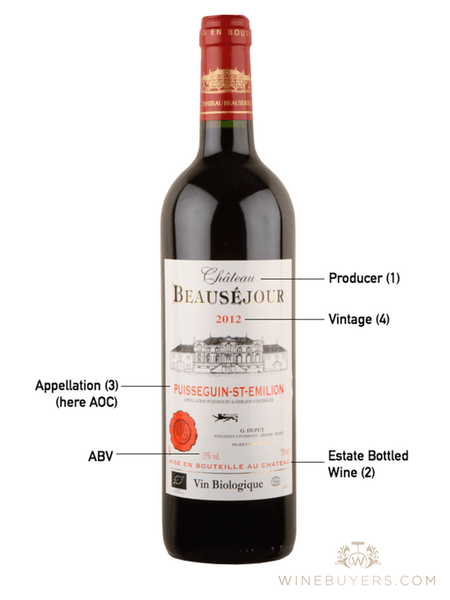
How To Read Wine Labels Winebuyers

How To Read A German Wine Label

Understanding French Wine Labels And Terms Wine Folly
Reading A Wine Label

How To Read A Wine Label Thewinebuyingguide Com

How To Read Any Wine Label Like A Pro Purewow
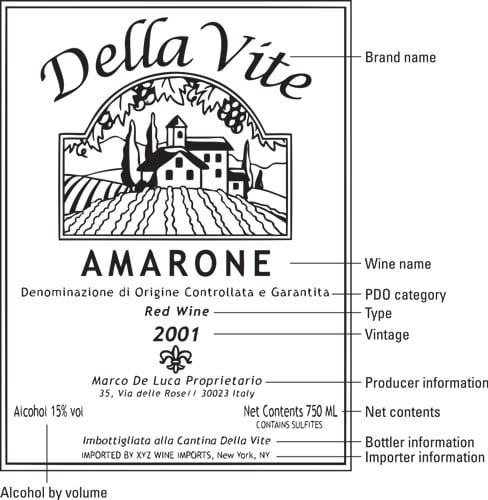
How To Read A Wine Label Dummies
Wine And Me Wine For Normal People Radio Episode 022 How
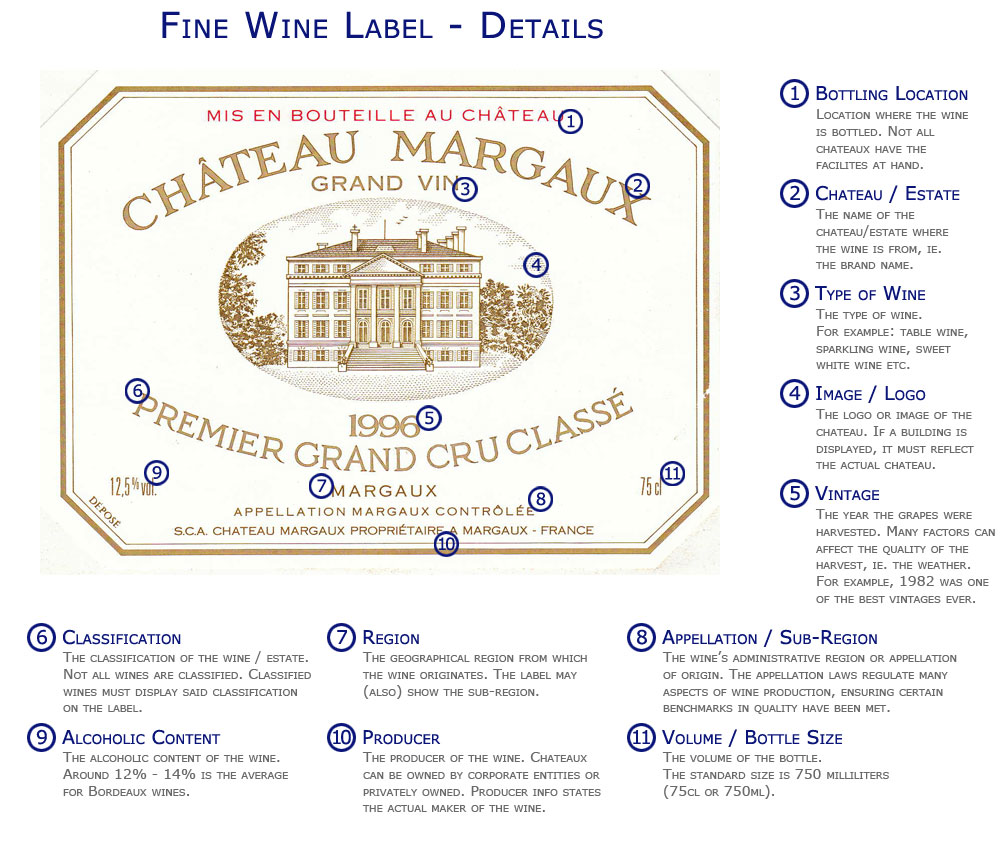
Saturday How To Read A Wine Label Vinum Vine
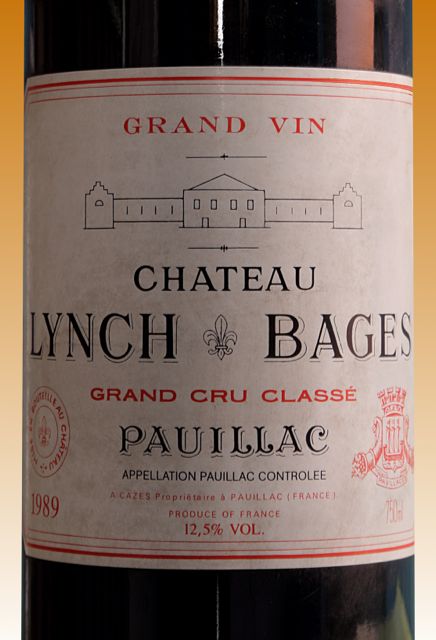
How To Read A Wine Label French Wine Explorers

How To Read Austrian Wine Labels

How To Read Wine Spanish Wine Labels Spanish Wine Labels
0 Response to "36 How To Read A Wine Label"
Post a Comment